In brief

Choose an approach to tracking reusable containers and carriers by what the product or part does in production and by the result you need—not by sector name alone.

For production identification using tracking reusable containers and carriers and data integration and exception handling for tracking reusable containers and carriers, different operating conditions can change the recommended approach.

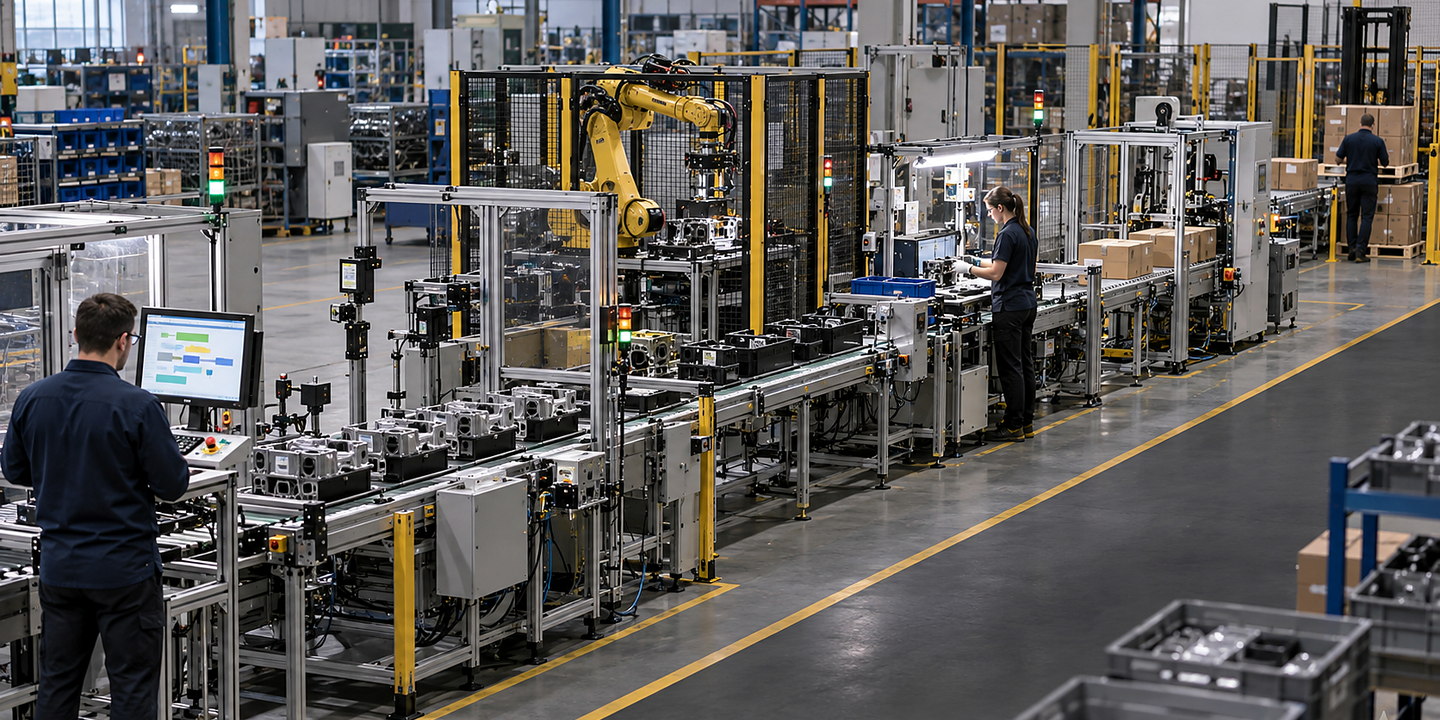
On the production floor

Match the solution to your product, part and operating needs — Tracking Reusable Containers and Carriers

Plan tracking reusable containers and carriers around your identifiers, substrates, production events, system interfaces, exceptions and verification records. Discuss a practical data-flow approach with Oxford Traceability. Use the application examples to compare production identification using tracking reusable containers and carriers with data integration and exception handling for tracking reusable containers and carriers.

Discuss your application
Application 1

Production Identification Using Tracking Reusable Containers and Carriers

For production identification using tracking reusable containers and carriers, start by confirming identifier and data rules for tracking reusable containers & carriers, substrate, label or tag behaviour, and production speed and read-point conditions so the proposed system matches your real production needs.

Explore this application
Application 2

Data Integration and Exception Handling for Tracking Reusable Containers and Carriers

For data integration and exception handling for tracking reusable containers and carriers, start by confirming substrate, label or tag behaviour, production speed and read-point conditions, and line, business-system and network interfaces so the proposed system matches your real production needs.

Explore this application
Choose the right route

Four questions that can change the recommended approach

What arrives?

Describe the real range for identifier and data rules for tracking reusable containers & carriers and substrate, label or tag behaviour, plus presentation and upstream controls—not just a nominal drawing.

What must happen?

Define the required outcome for production identification using tracking reusable containers and carriers, the allowed window and what your team can recover without outside help.

What surrounds it?

Record the space, services, neighbouring equipment, people, cleaning and data connections around data integration and exception handling for tracking reusable containers and carriers.

What result do you need?

Agree representative trials, difficult samples and the result record for verification, retention and reconciliation evidence, including who will review it.

ApproachOften suitable whenWatch for
Tracking Reusable Containers and CarriersYou need a dedicated solution for a clearly defined duty, product or part range and line interface.Mark, label, tag and reader performance depends on the real substrate and environment.
Label-Based Identification where Direct Marking Is UnsuitableYour volumes, product mix or operator judgement make a simpler route more practical.Check ergonomics, consistency and safe access before choosing the lower-complexity option.
Direct-Part Marking where Lifecycle and Substrate Justify ItYour surrounding process is stable enough for a broader automated solution to add value.Allow for line connections, fault recovery and maintenance as well as the headline equipment.